
Recovery Is Possible: MHA Staff Share Their Stories
September is National Recovery Month, a time to celebrate the people who are living in recovery, challenge the stigma surrounding addiction and mental health, and remind our community that recovery is possible.
At the Mental Health Association of Frederick County (MHA), lived experience is an important part of our work. Several members of our team have personal experience with addiction and recovery, and they now use those experiences to connect with and support others during some of the most difficult moments of their lives.
This Recovery Month, we invited MHA staff members to share what recovery means to them and what recovery has made possible in their lives.
Rachel, Mobile Crisis Specialist
For Rachel, recovery meant freedom from the shame and stigma that once made her believe addiction was all she could ever be.
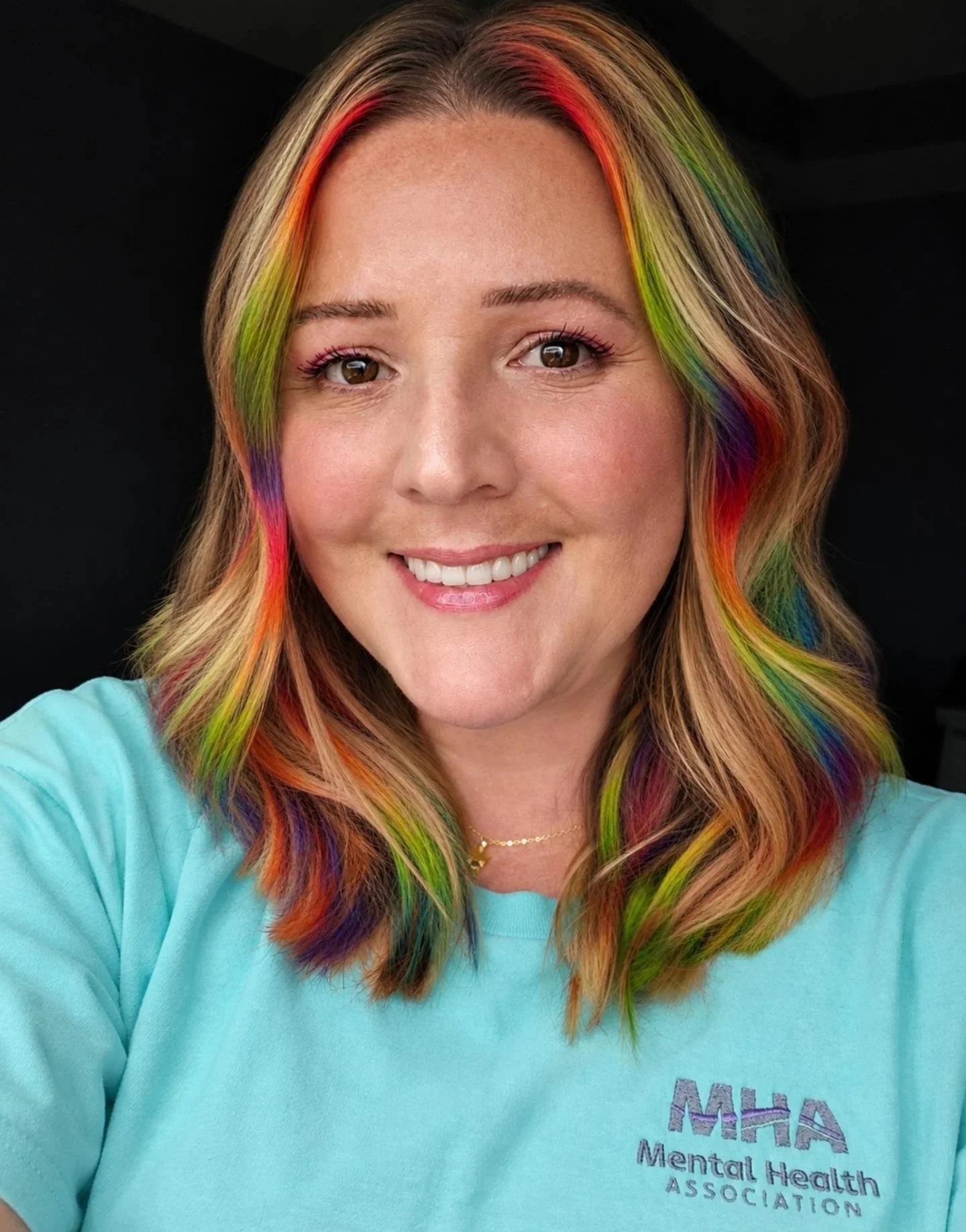
“Recovery gave me the opportunity to rebuild more than my life. It gave me the opportunity to rebuild my sense of worth.”
Recovery taught Rachel how to ask for help, navigate life's challenges, and trust herself again. Today, she brings that lived experience to her work as a Mobile Crisis Specialist.
“I try to see the person beyond the diagnosis, addiction, or crisis,” Rachel said. “I know firsthand that who someone is when they’re struggling the most isn’t necessarily who they will always be.”
There was a time when Rachel couldn't imagine having a future, much less a career. Meeting someone with lived experience who showed her that recovery was possible changed that.
Today, she provides that same sense of possibility to others through her work with people experiencing crisis.
“I once sat in the back of a police car, convinced my life was over,” Rachel shared. “Today, I have the privilege to ride in the front seat alongside Frederick Police Department and EMS as part of the Crisis Response Team.”
For Rachel, recovery has meant building a life she once believed was impossible.
Sunny, Mobile Crisis Services Navigator
Sunny describes recovery as freedom, growth, and the opportunity to build a life she once could not imagine.
Her lived experience shapes how she supports people navigating behavioral health challenges. She understands what it feels like to struggle, need help, and not always be ready to accept it.
“I strive to meet people where they are, without judgment or assumptions about where they should be,” Sunny said.
As a Behavioral Health Navigator, Sunny helps people connect with resources, navigate barriers, and find support. She has also completed Peer Recovery Specialist courses, allowing her to further incorporate the power of lived experience into her work.
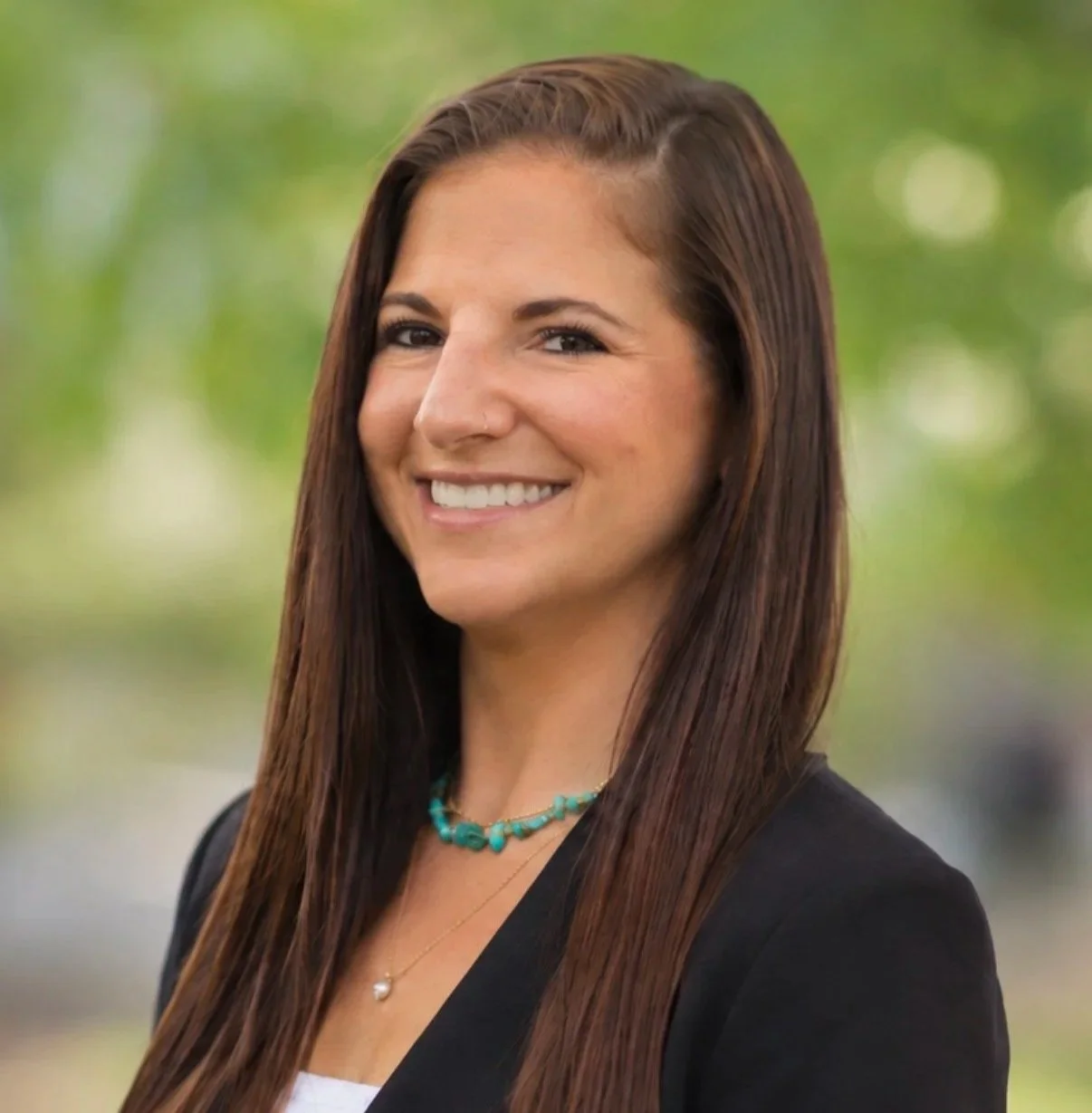
“I cannot change my past, but I can choose how I use it.”
Sunny is proud that experiences she once carried with shame have become sources of empathy, compassion, and purpose.
“This journey did not erase my story; it gave me the opportunity to take ownership of it and write the next chapters differently.”
Julie, Certified Peer Recovery Specialist
For Julie, recovery is found in the everyday moments: being present, managing emotions without substances, and showing up for the people she loves.
“Today recovery has made it possible for me to show up! For my children, my family, and my coworkers. I am able to be present and fully attentive.”
Julie brings her lived experience with substance use, homelessness, and incarceration to her role as a Certified Peer Recovery Specialist at MHA's Walk-In Crisis Care Center.
She knows firsthand how powerful it can be to meet someone who understands what you're going through and can show you that long-term recovery is possible.
Julie never imagined she would one day be in a position to help others.
“Being a Peer is very rewarding,” she said. “Being able to be there for people gives me a sense of purpose that I never knew I needed.”
When asked what she is most proud of today, her answer is simple:
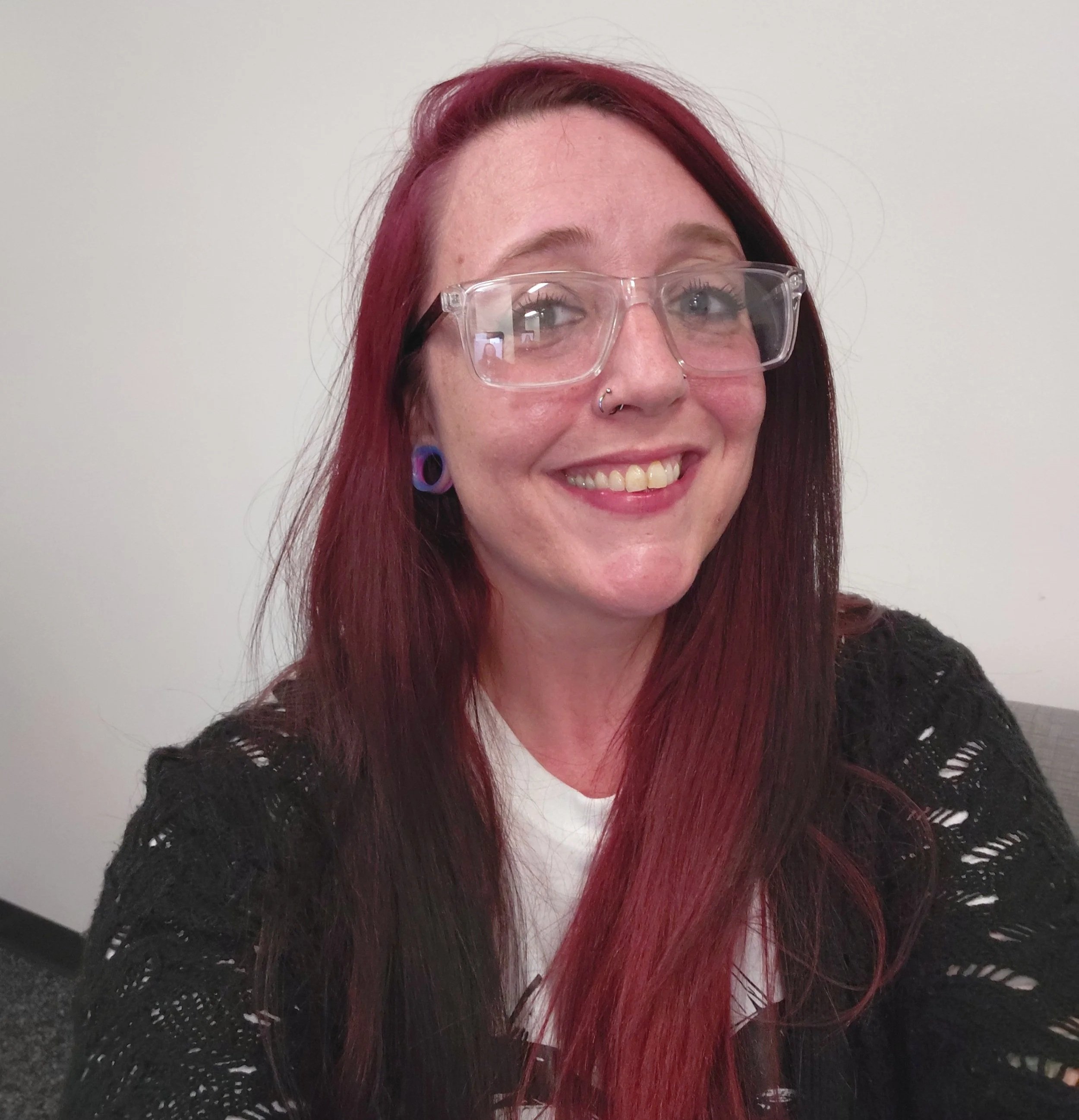
“Today I am most proud that I am trusted.”
For Julie, that trust represents how much her life has changed and how recovery can rebuild relationships and create new possibilities.
Recovery Can Change What We Believe Is Possible
While Rachel, Sunny, and Julie each have their own recovery story, their experiences share an important message: a person's past does not have to determine their future.
Recovery doesn't erase the difficult parts of someone's story. Instead, it can create opportunities to heal, grow, rebuild relationships, and discover purpose.
Their stories also demonstrate the value of lived experience. Someone who has walked through their own recovery journey can offer a unique kind of understanding to someone who is still trying to find their way.
This National Recovery Month, MHA celebrates everyone on a recovery journey and the people who walk alongside them.
Every recovery story has the power to challenge stigma, change minds, and remind someone that their story isn't over.